



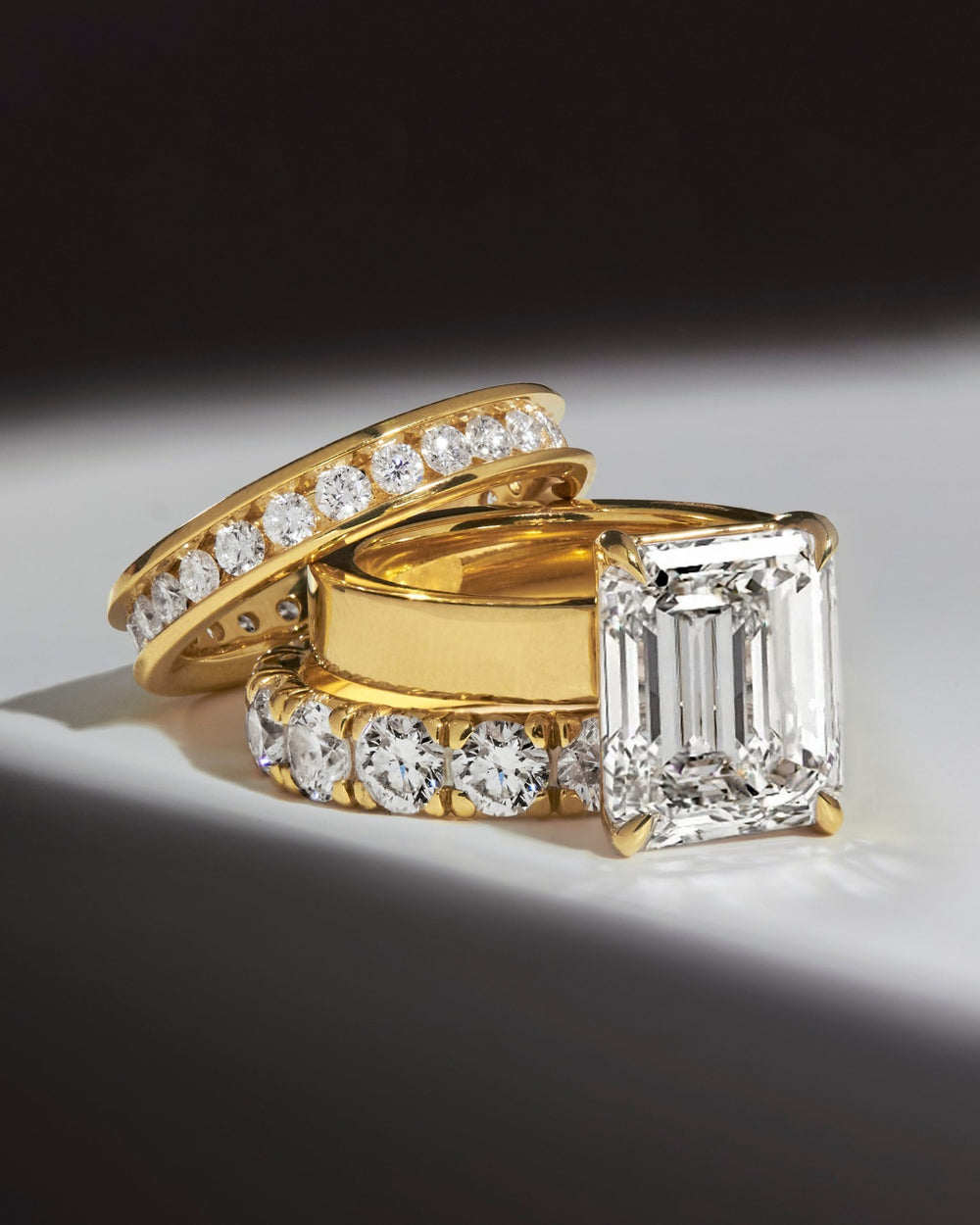
Lab-Grown vs Natural Diamonds: Which One Should You Choose in 2026?
Buying a diamond in 2026 is honestly sort of more complicated than it used to be, because buyers are now balancing natural stones against modern lab made options, like all the time, not only once. The rising interest in the lab grown diamond engagement ring market has opened up more affordable, and also more “sensible” choices. Even so natural diamonds still come with that whole rarity vibe and tradition feel, while lab-grown diamonds tend to attract people who want a stronger deal and a clearer ethical story. Still, both are real diamonds, not just something similar , each with their own perks. If someone understands how they differ in price, look, sustainability, and even resale value, they can pick the right option based on what actually matters to them, and also on what their budget can handle.
What Are Natural Diamonds?
Natural diamonds, are formed deep down under the Earth’s surface over billions of years, mostly because of extreme heat and intense pressure. In the meantime these stones get pulled nearer to the surface via volcanic activity, then later they are taken up through mining processes, sort of like a slow-moving chain of events.
Because they are naturally created and limited in supply, natural diamonds are considered rare luxury items. Their uniqueness and the way they come from deep geology give them a real emotional and almost symbolic punch. That’s why they show up a lot in engagement rings and in heirloom jewelry, like passed-down little treasures.
After the mining part, diamonds get cut, polished, and graded, kind of based on those 4Cs: cut, colour, clarity, and carat weight. Most buyers are usually a bit advised to look for certified diamonds from trusted groups like GIA or IGI, so that the authenticity and quality is more or less assured, in practice.
What Are Lab-Grown Diamonds?
Lab grown diamonds are absolutely real diamonds , they're basically created in a controlled lab space instead of being dug out from the earth, and yeah it’s the same kind of gem just produced differently. They’re created using some advanced processes like High Pressure High Temperature, commonly called HPHT , and also Chemical Vapour Deposition, or CVD. In short, it’s the same gem idea, just with a different route to get there .
These diamonds show the same physical, chemical, and optical traits as real natural diamonds. They deliver the exact same sparkle , resilience, and brilliance, so they are for the most part nearly impossible to tell apart using just the naked eye.
In 2026, the demand for IGI-certified lab grown diamonds keeps rising, while buyers try to find more affordable along with sustainable style pieces. There’s also this common misunderstanding where people say lab-grown diamonds are fake, but that’s not right. They are real diamonds, not those look alike “imitation” options such as cubic zirconia, or sometimes people confuse them with moissanite.
A bunch of buyers now lean toward lab grown diamond solitaire rings, because they can score these larger stones and really solid quality at a far cheaper price point. People like it, more because it feels, kind of smarter and still looks great, you know.
Key Differences Between Lab-Grown & Natural Diamonds
Lab-grown diamonds and natural diamonds differ mostly in the price tag, how rare they feel , resale value, where they come from, and also the environmental impact , of course.
Price
Lab-grown diamonds are much more affordable than natural diamonds of similar quality and size. Buyers can often purchase a larger diamond within the same budget.
Appearance
Both kinds of diamonds, they look pretty much the same, like nearly identical, they still provide the same brilliance and sparkle, and only experts using specialised tools can pinpoint small structural differences, not most folks. So a lab grown diamond engagement ring seems just as attractive as a natural diamond ring, even though some people might not notice, at least not right away, and maybe not ever.
Value & Resale
Natural diamonds usually seem to keep better resale strength and long-range value perception, mainly because they’re rare and that rarity sticks in people’s minds. Lab-made diamonds are, kind of depreciating faster these days though, since new tech keeps improving and also keeps lifting supply, and then prices ease down a little. So it almost feels like the value fades quicker than it used to, honestly.
Sustainability
Lab grown diamonds are mostly seen as a bit more planet- friendly, because they steer away from big scale mining, which is kinda where a lot of the usual impact comes from. However, their production still requires energy consumption.
Ethics
Lab-grown diamonds are usually seen as conflict-free , and honestly kind of clearer when it comes to where they come from. Natural diamonds can be sourced in a ethically mindful way too, but shoppers really ought to double-check the paperwork , certifications, and those responsible sourcing protocols. At the end, it is worth verifying everything, even if the whole story feels plain and simple at first.
Pros & Cons Summary
Lab Grown Diamonds
Pros:
- Less expensive
- More size for the money
- Request for ethical sourcing
- Zero mining impact
- Ethical & Conflict Free
- Good quality picture
Cons:
- Lower resale value
- Less rarity perceived
Natural Diamond
Pros:
- Classic luxury appeal
- Perception of better long-term value
- Emotional and heirloom value
- Confidence in the market is high
Cons:
- Expensive
- Mining environmental concerns
- Smaller size, same budget
Who Should Choose Lab-Grown Diamonds?
Lab-grown diamonds are kinda ideal for buyers who put affordability , sustainability, and maximum visual value first , you know. A lot of younger consumers, especially Gen Z and millennials, are increasingly picking lab-grown diamonds because it matches those modern shopping preferences , in a way.
If you want a larger and more impressive diamond without exceeding your budget, lab-grown diamond solitaire rings can be an excellent choice. They’re also a good fit for those who care more about ethical sourcing and sensible spending, rather than about resale potential, in practice.
In 2026, buyers that are focused more on the look, and what seems like a fair value right now rather than a long term investment, might find lab-grown diamonds to be the more fitting option.
Who Should Choose Natural Diamonds?
Natural diamonds are better fitted for buyers who care about rarity, tradition, and that kind of emotional significance, and you know, not just the sparkle. A lot of people still gravitate toward having a stone that forms naturally over millions of years.
Luxury focused consumers tend to pick natural diamonds, mainly because they carry that timeless reputation, plus a kind of exclusivity that just feels right. And yeah natural diamonds are also pretty often chosen for heirloom jewellery, for those sentimental pieces meant to stay around, basically for generations , not just a season.
2026 Market Trends
The lab-grown diamond market keeps growing real fast in 2026, and it looks like it is not going to slow down. With better technology and those lower production expenses, high-quality IGI-certified lab-grown diamonds are now easier to reach for consumers worldwide, more or less.
At the same time, natural diamonds still keep a premium market position, basically due to their rarity and luxury branding , even if the world feels a bit more complicated. Meanwhile consumer preferences are moving, especially with younger buyers who place value on sustainability and openness, kind of like they want the story to be auditable.
Buying Tips Before Choosing
Always double check the certification from reputable entities like GIA or IGI before you buy any diamond. This proof, kinda like a validation, helps you be sure it’s real and has the right quality. Because certification offers authenticity and performance, it’s best to go with something trusted.
Pay a lot of attention to cut quality, because it really does have the biggest effect on sparkle and the way everything looks. Also, go ahead and compare prices carefully from one jeweller to another, because the numbers can shift a lot. Before you make a decision, try to understand what resale value expectations are, and how people usually view them later.
Conclusion
There isn't a single best option between lab-grown and natural diamonds in 2026, not really . It sort of comes down to your personal priorities and budget mostly. What feels “right” for you, might feel totally different for someone else, that part is kinda obvious but still needs saying.
A lab grown diamond engagement ring comes with more affordability, it feels ethical because of the sourcing, and you can often get larger sizes for better value too, it kinda works out. Natural diamonds still stand for rarity, luxury, and that older emotional meaning people usually tie to them in the traditional sense.
Both choices are real diamonds capable of symbolising love and commitment beautifully. Don’t just follow the latest trends, pick the choice that fits your lifestyle, your values, and your longer term expectations, in a kind of steadier way.
FAQs
1. Are lab grown diamonds real diamonds?
Yeah, lab-grown diamonds are real diamonds, having the same physical and chemical properties as what you get naturally.
2. Do lab grown diamonds last as long as natural diamonds?
Yeah, both kinds are pretty durable, and they’re equally suitable for everyday wear i mean. you can use them daily without much worry.
3. Are IGI certified lab-grown diamonds trustworthy?
Yeah, IGI certified lab-grown diamonds are graded professionally for quality, and for realness too. In other words, they’re checked , properly, like for authenticity.
4. Why are lab grown diamonds cheaper?
They cost less because they are manufactured in laboratories , without those pricey mining operations happening in the background.
5. Which is better for engagement rings?
It really depends on what you care about the most, like sorta, you know. A lab-grown diamond engagement ring works great for affordability, and that value feels pretty sensible too, while natural diamonds tend to be more for rarity and tradition, not that this matters, unless it does.
Explore more
Share this
Popular posts
