How to Pair Your Engagement Ring with the Perfect Wedding Band
Your engagement ring may be the star of the show—but your wedding band is its lifelong partner. When paired thoughtfully, the two rings should feel like they belong together, enhancing each other’s beauty while reflecting your personal style and love story.
In 2026, brides are no longer limited to “matching sets.” Instead, they’re embracing intentional pairing—mixing styles, shapes, and metals to create wedding ring combinations that feel modern, meaningful, and uniquely theirs.
Whether you love timeless elegance or contemporary contrast, this guide will help you confidently pair your engagement ring with the perfect wedding band.
Start with Your Engagement Ring Style

The first step is understanding your engagement ring’s design. Its shape, setting, and profile will determine which wedding bands pair best.
Solitaire Engagement Rings

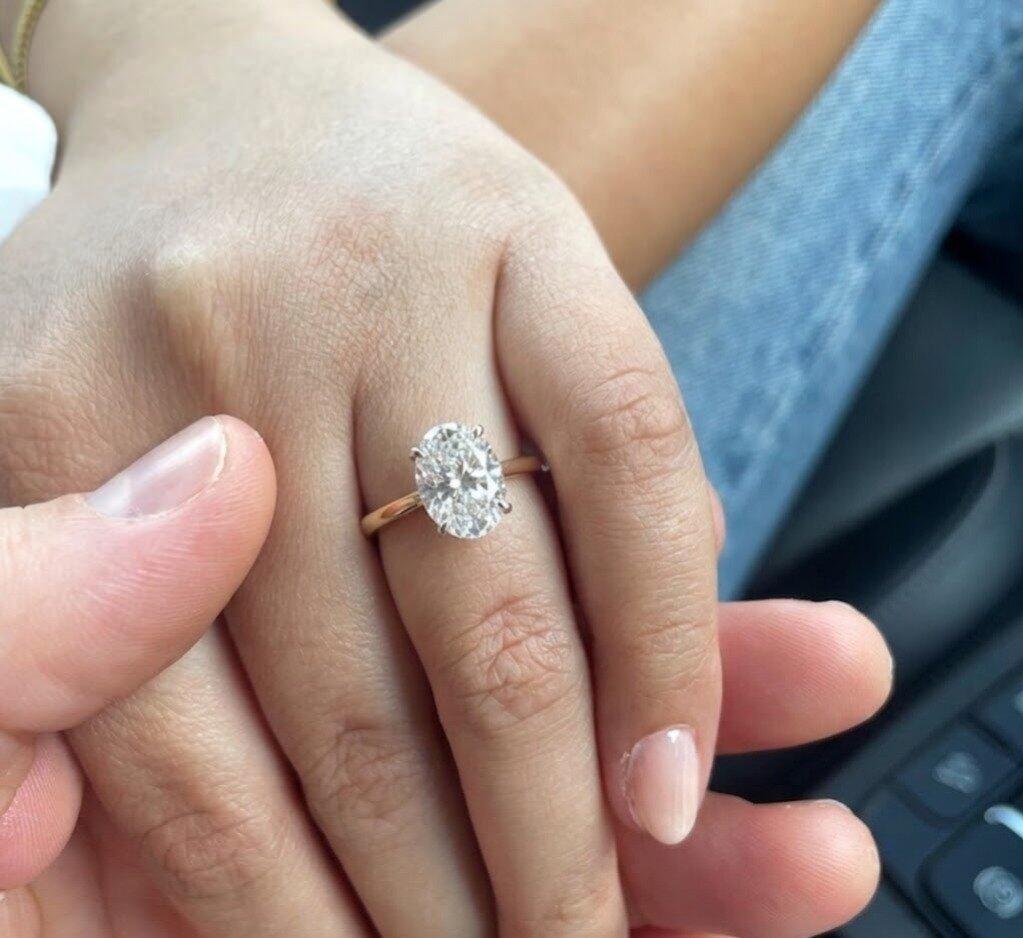
Solitaire rings are the most versatile. Their clean design allows for endless wedding band options.
They pair beautifully with:
-
Classic plain metal bands
-
Pavé diamond bands for added sparkle
-
Eternity or half-eternity bands
Because solitaires sit cleanly on the finger, most straight bands will sit flush alongside them.
Halo Engagement Rings

Halo rings feature extra diamonds around the center stone, often creating a wider footprint.
Best band pairings include:
-
Slim pavé bands that don’t compete with the halo
-
Curved or contour bands that hug the halo shape
-
Matching micro-pavé bands for seamless sparkle
A contoured band helps avoid gaps and creates a cohesive, intentional look.
Three-Stone Engagement Rings

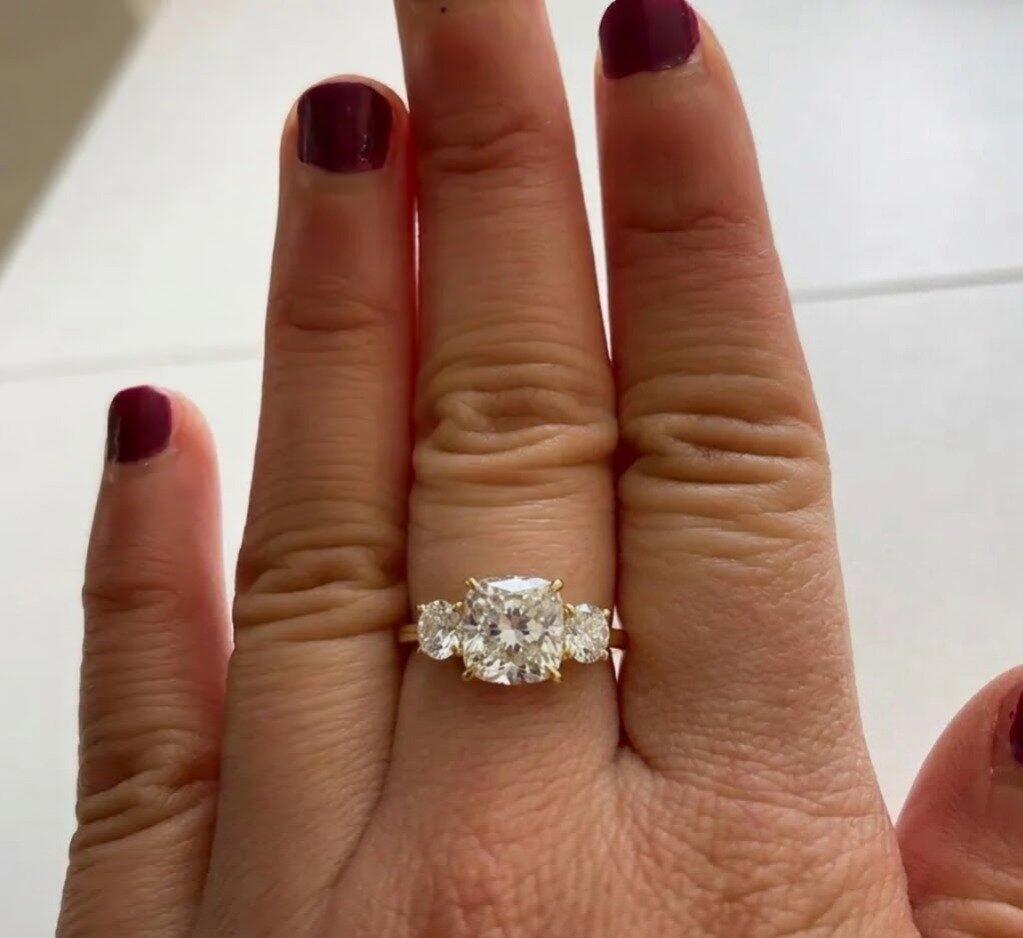
Three-stone rings have strong visual presence and symbolism, so balance is key.
Ideal wedding bands:
-
Simple metal bands to let the engagement ring shine
-
Thin pavé bands for subtle sparkle
-
Custom-contoured bands for a tailored fit
Avoid overly wide bands that may overpower the side stones.
Consider How the Rings Sit Together
Not all engagement rings sit flush with straight bands. The height and setting profile matter more than most people realize.
Flush Fit
If your engagement ring has a higher setting, a straight band will sit neatly against it.
Non-Flush Fit
Lower-set rings, halos, or ornate settings may create a gap. In this case:
-
Curved or notched bands are ideal
-
Open bands offer a modern, flexible solution
-
Custom bands ensure a perfect fit
A small gap is a style choice—not a flaw. Some brides love the space for a modern, layered look.
Matching vs. Mixing Metals

In 2026, mixing metals is not only acceptable—it’s fashionable.
Matching Metals
Choosing the same metal (yellow gold, white gold, rose gold, or platinum) creates a seamless, traditional look.
Best for:
-
Classic and timeless styles
-
Brides who prefer uniformity
Mixed Metals
Combining metals adds contrast and personality.
Popular combinations:
-
Yellow gold band with a white gold engagement ring
-
Rose gold band with platinum accents
-
Two-tone custom designs
The key is balance—repeat one metal detail in both rings to create harmony.
Diamond Wedding Bands: How Much Sparkle Is Right?

Diamond bands add brilliance, but the amount matters.
Plain Metal Bands
Minimal, elegant, and timeless—perfect for letting a detailed engagement ring shine.
Pavé Bands
Small diamonds set along the band add continuous sparkle without overwhelming.
Eternity Bands
Diamonds wrap all the way around the finger, creating bold brilliance and luxury.
In 2026, many brides choose half-eternity bands for comfort and practicality while still enjoying sparkle.
Shape Matters: Pairing Bands with Diamond Cuts

Different diamond shapes pair best with specific band styles.
-
Round, Oval, Cushion: Straight or pavé bands work beautifully
-
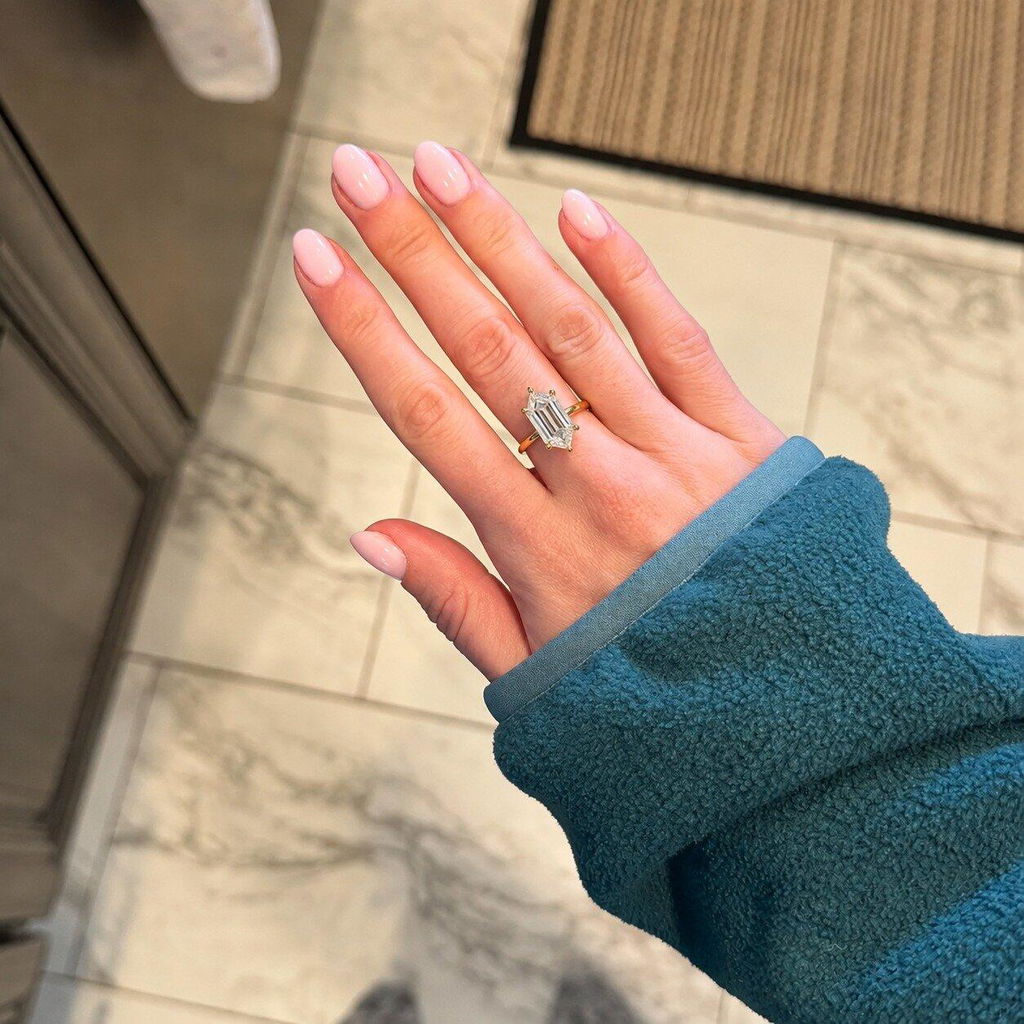
Emerald, Asscher: Clean metal bands or baguette diamond bands enhance the geometry
-
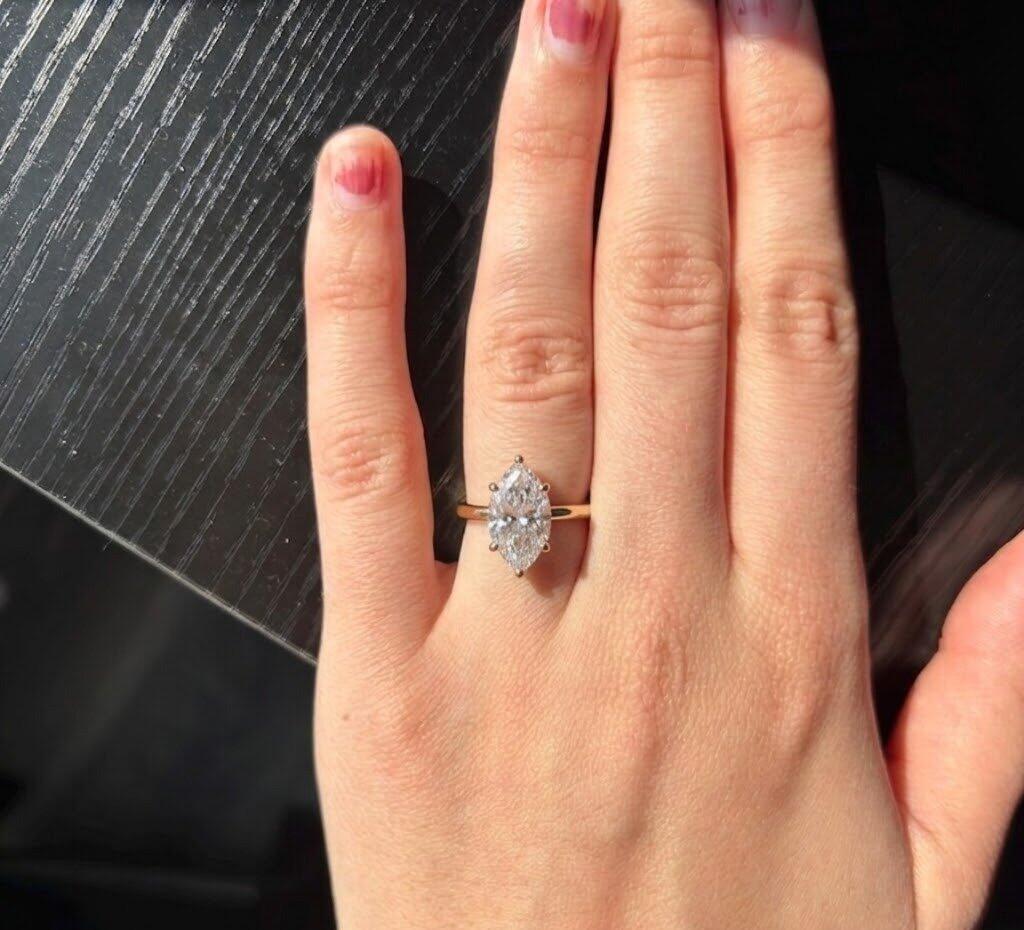
Pear, Marquise: Curved bands or V-shaped bands complement the silhouette
The goal is to echo the engagement ring’s shape without competing with it.
Modern Band Styles Brides Love in 2026

Wedding bands are no longer an afterthought—they’re a design statement.
Trending styles include:
-
Curved contour bands that frame the engagement ring
-
Chevron or V-shaped bands for elongated elegance
-
East-west diamond bands for a modern edge
-
Stackable bands for versatility and future milestones
Many brides now plan their wedding band with future stacking in mind.
Comfort and Lifestyle Considerations
Your rings are meant to be worn every day. Comfort matters just as much as beauty.
Ask yourself:
-
Do I use my hands a lot at work?
-
Do I prefer a low-profile fit?
-
Will the rings rub against each other?
Smooth edges, comfort-fit interiors, and durable settings make a big difference long-term.
Lab-Grown Diamonds and Wedding Band Freedom

Choosing lab-grown diamonds often allows for more creativity and flexibility when pairing rings.
Many couples are able to:
-
Add diamond bands without increasing budget
-
Choose custom contour designs
-
Upgrade to higher-quality accent diamonds
This freedom makes it easier to create a cohesive, luxurious bridal set without compromise.
Try Before You Decide
Before making your final choice:
-
Try your engagement ring with multiple band styles
-
View the rings from the side and top
-
Wear them together for a few minutes
-
Consider how they’ll look stacked over time
Your wedding band should feel like a natural extension of your engagement ring—not an afterthought.
Final Thoughts: A Pair That Tells Your Story
Your engagement ring marks the promise. Your wedding band seals it. Together, they should feel effortless, intentional, and deeply personal.
Whether you choose a perfectly matched set or a thoughtfully mixed pairing, the best combination is the one that feels right every time you look at your hand.
Take your time. Explore your options. And choose a wedding band that doesn’t just match your engagement ring—but completes it. 💍✨
Share this
Popular posts

Popular posts

Popular posts